
 Online Services
 Application Inquiry
 Pay Assurance Fee
 Query Installation Number
 Compensation Fee Inquiry
 Automatic Payment Order Inquiry
 Partnership
Single-Rate vs. Time-of-Use Tariff: Which Electricity Tariff Is Better?
What is in this article?
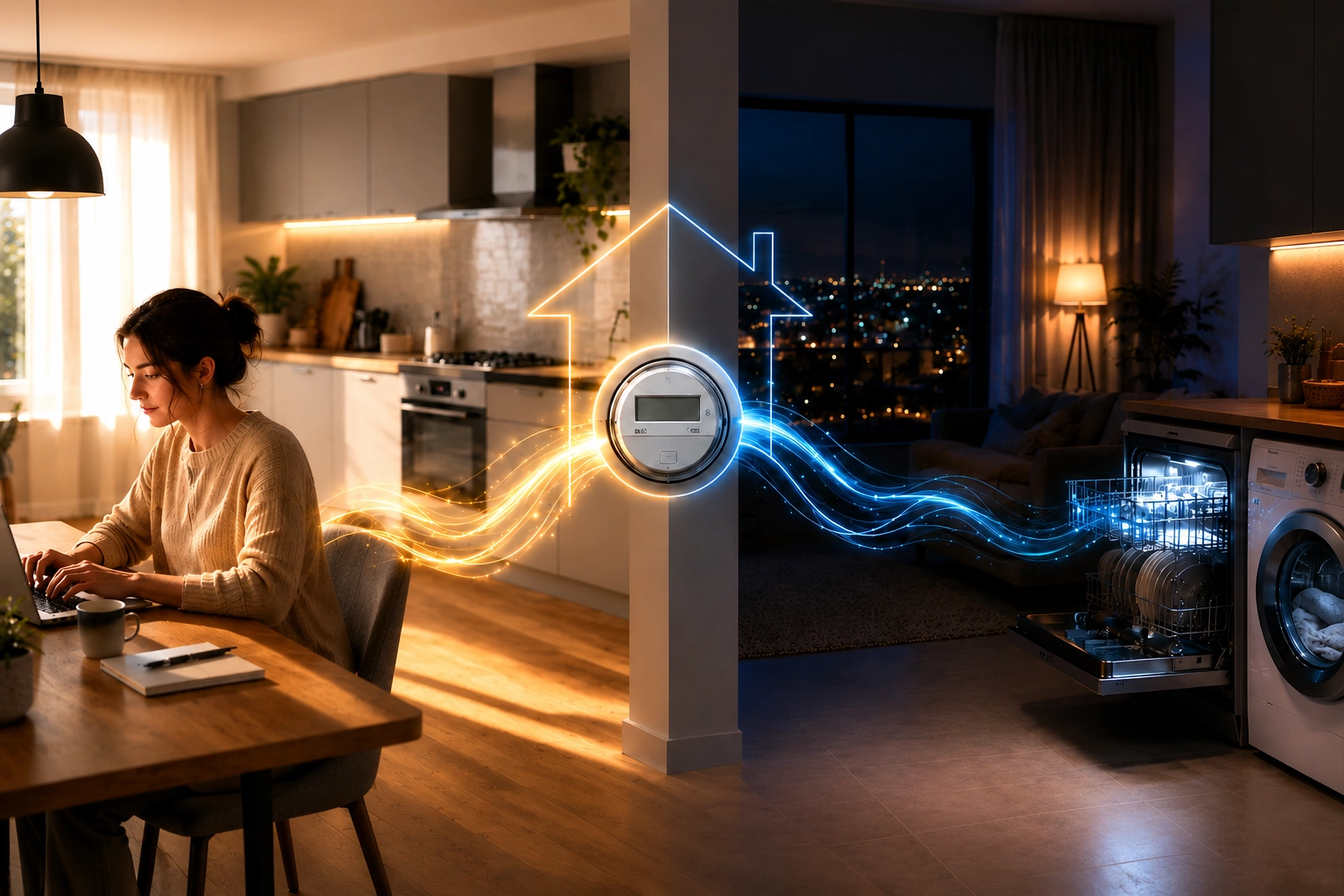
Dinner is over, the dishwasher is loaded, and now comes a simple question: Should you start it now or wait a few hours? This small decision could directly affect your monthly electricity bill.
The time you use electricity at home plays a significant role in determining how much you pay. While some households use electrical appliances throughout the day, others consume most of their electricity after sunset. Before deciding which tariff is best for you, it's worth making an electricity tariff comparison based on your daily habits. Once you evaluate your lifestyle and energy consumption patterns, choosing the right tariff becomes much easier.
 What Is a Single-Rate Tariff?
One of the most frequently asked questions is: What is a single-rate tariff?
The answer is simple. With a single-rate electricity tariff, the unit price of electricity remains the same throughout the day. Whether you bake in the oven early in the morning or charge your phone at midnight, you'll pay the same price per kilowatt-hour.
Your electricity bill is calculated using one fixed unit price over a 24-hour period.
If your household has an active routine and you prefer not to plan your daily activities around electricity prices, this tariff offers maximum convenience.
There's no need to wonder whether running the washing machine or dishwasher at a certain time will cost more. You can simply go about your daily routine without checking the clock.
Single-rate tariffs are often ideal for:
- People working from home
- Families with young children
- Users who prefer flexibility over scheduling
- Households that consume electricity consistently throughout the day
For anyone asking "What is a single-rate tariff?", the answer is straightforward: simplicity, flexibility, and predictable pricing.
What Is a Time-of-Use Tariff?
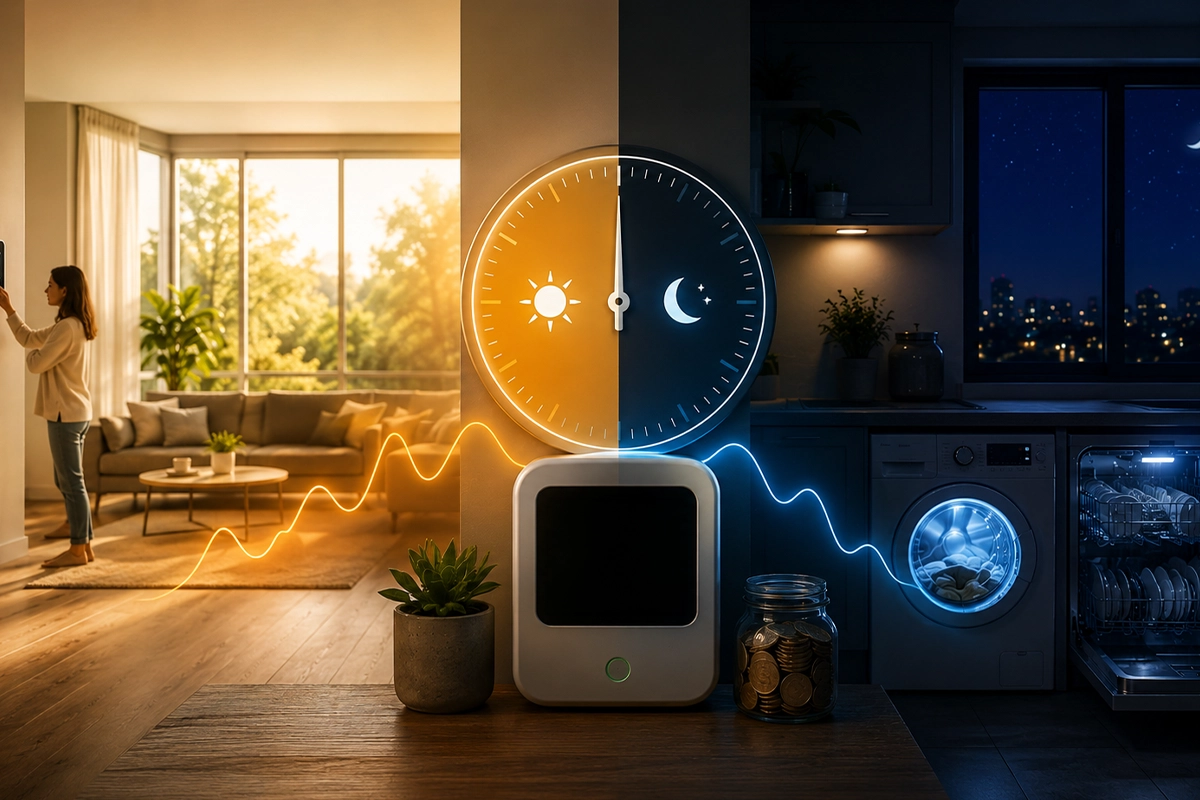
A time-of-use tariff (TOU tariff) works differently.
Instead of charging one fixed price all day, electricity prices vary depending on the time of day. The busier the electricity grid becomes, the higher the price.
So, what is a time-of-use tariff?
Although exact schedules may vary slightly depending on regional meter settings, the standard time periods are generally as follows:
Daytime (06:00 – 17:00)
Electricity prices remain at a standard level. Most daily household activities can be completed at regular rates during these hours.
Peak Hours (17:00 – 22:00)
This is the most expensive period of the day.
Because electricity demand is at its highest, using high-consumption appliances such as ovens, irons, or electric heaters during these hours can noticeably increase your electricity bill.
Night Hours (22:00 – 06:00)
This is the cheapest period for electricity consumption.
In some regions, nighttime pricing may start at 11:00 PM and continue until 8:00 AM, depending on local regulations and meter configurations.
If you can schedule energy-intensive tasks during these hours, you'll likely notice lower electricity costs.
For households that can shift their electricity usage to nighttime, a time-of-use tariff can offer significant savings. However, it requires consistent planning and disciplined energy management.
Single-Rate vs. Time-of-Use Tariff: What's the Difference?
The biggest difference between these two pricing models depends on your daily routine.
The difference between a single-rate tariff and a time-of-use tariff isn't just about electricity prices—it's about lifestyle.
A single-rate tariff prioritizes convenience, while a time-of-use tariff rewards users who carefully manage when they consume electricity.
With a single-rate tariff, your total electricity consumption is multiplied by one fixed unit price.
With a time-of-use tariff, however, both how much electricity you consume and when you consume it determine your final bill.
For example, running your dishwasher at 8:00 PM instead of 11:00 PM may result in noticeably different costs.
This is why understanding the differences between these tariff options can help you reduce your monthly electricity expenses.
Please note that a smart electricity meter is required to benefit from a time-of-use tariff. Traditional mechanical meters only support single-rate billing, while smart meters record electricity consumption separately for each pricing period.
 Which Electricity Tariff Is Better for You?
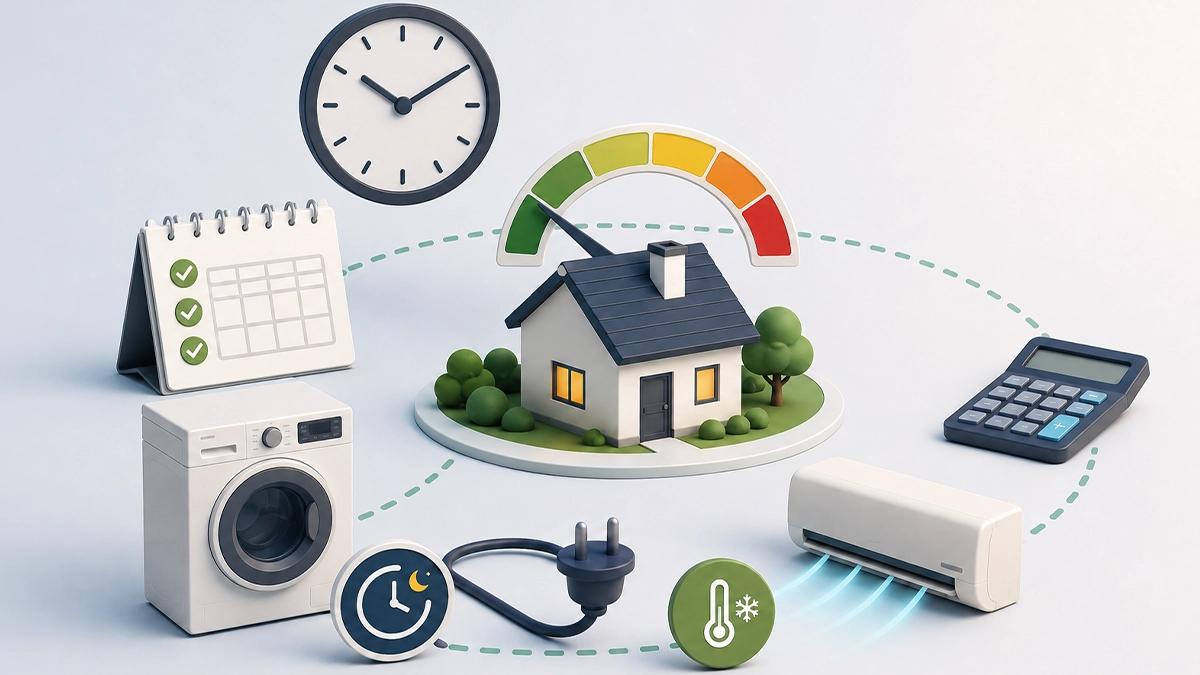
Before choosing a tariff, take an honest look at how electricity is used in your home.
Asking yourself "Which electricity tariff is best for my lifestyle?" is the best place to start.
If you can shift at least one-third of your electricity consumption to nighttime hours, a time-of-use tariff could help you reduce your electricity bill.
On the other hand, if most of your electricity is used during the evening—especially during peak pricing hours—a single-rate tariff may be the more economical option.
To determine which tariff suits your home best, you can review your previous electricity bills using a bill calculator or an electricity tariff comparison tool.
How Can You Change Your Electricity Tariff?
Changing your electricity tariff has become much easier thanks to online services.
There's no longer any need to visit a customer service center.
First, make sure your electricity meter is compatible with the tariff you want to use.
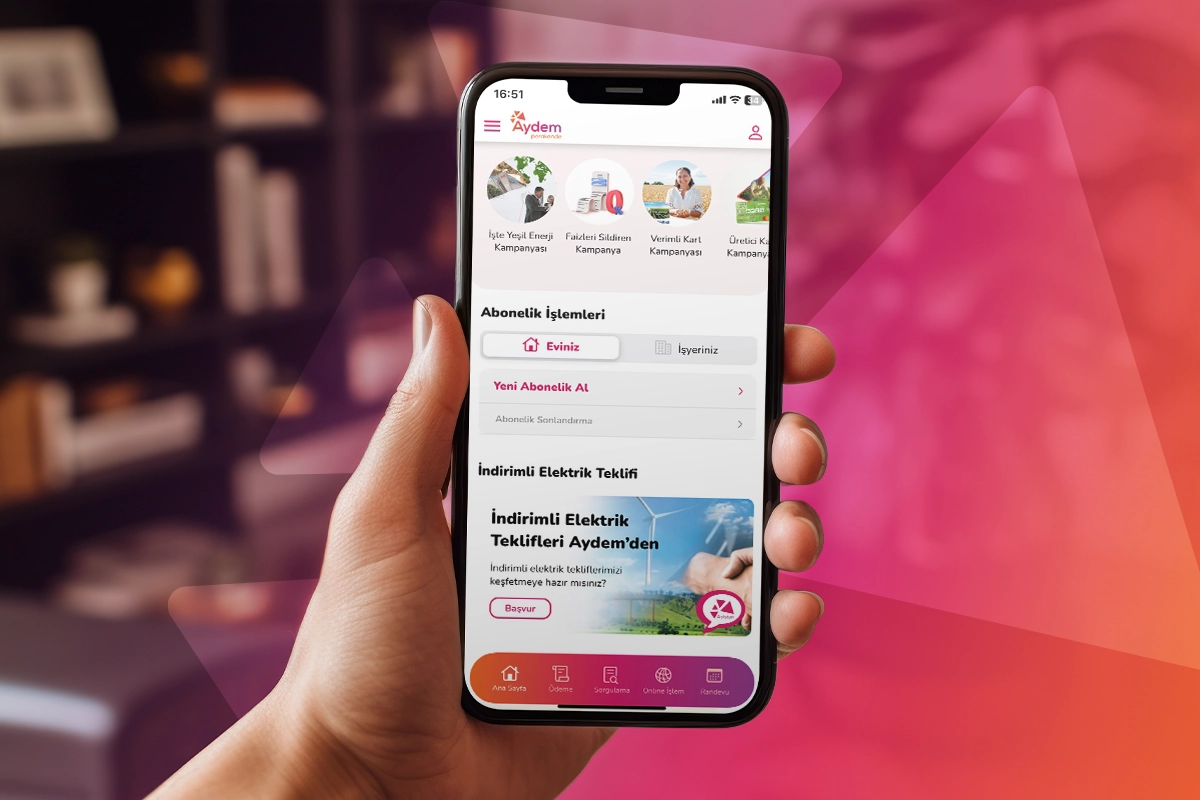
You can submit your application through the Aydem Retail Online Services platform or the mobile application.
In most cases, your new tariff becomes effective starting from your next billing cycle.
Making an electricity tariff change can help you choose the billing model that best fits your household's energy consumption.
Keep in mind that tariff changes cannot be made an unlimited number of times each year, as regulatory restrictions apply. Before switching, it's important to evaluate whether your consumption habits match your preferred tariff.
For more detailed information, visit the Single-Rate and Time-of-Use Tariff page.
Key Things to Consider Before Choosing a Tariff
Choosing a tariff isn't just about comparing prices. Your daily routine matters just as much.
Monitor Peak Hours
With a time-of-use tariff, electricity is most expensive between 5:00 PM and 10:00 PM. Using high-energy appliances during these hours may significantly increase your bill.
Take Advantage of Delay Start Features
Many modern washing machines and dishwashers include delayed start functions. Scheduling them to run overnight makes it easier to benefit from lower electricity prices.
Consider Your Air Conditioner Usage
If your air conditioner runs continuously during the evening, a time-of-use tariff may not provide the savings you're expecting, since those hours fall within the peak pricing period.
Review Your Previous Bills
Examine your last three electricity bills to understand when most of your electricity is consumed. If your nighttime usage is already low, consider whether changing your daily routine is realistic before switching tariffs.
If you're looking for additional ways to reduce electricity consumption, you can also explore our Energy Saving Assistant for personalized energy-saving recommendations.
 Find the Right Electricity Tariff with Aydem Retail
There is no one-size-fits-all solution when choosing an electricity tariff.
Every household has different habits, priorities, and energy needs.
Ask yourself one simple question:
"How is electricity used in my home?"
Would the convenience of a single-rate tariff suit you better, or could you save more with a time-of-use tariff?
Using an electricity tariff comparison tool can help you make an informed decision based on your actual consumption.
Using electricity efficiently isn't just about reducing your bills—it's also about using energy resources responsibly.
Once you've selected the tariff that best matches your lifestyle, a simple electricity tariff change could lead to noticeable savings on your future bills.
Frequently Asked Questions About Electricity Tariffs
Does a time-of-use tariff save money for every household?
No.If most of your electricity consumption occurs during peak evening hours and cannot be shifted to nighttime, your electricity bill may actually increase.
What's the main difference between a single-rate tariff and a time-of-use tariff?
The key difference is timing.
A single-rate tariff charges the same unit price all day, while a time-of-use tariff applies different prices depending on the time of electricity consumption.
How do I switch to a time-of-use tariff?
If you have a compatible electronic or smart electricity meter, switching is simple.
You can submit your application through the Aydem Retail website or the mobile application, and your new tariff will generally take effect from your next billing period.
Leave a Comment