
 Online Services
 Application Inquiry
 Pay Assurance Fee
 Query Installation Number
 Compensation Fee Inquiry
 Automatic Payment Order Inquiry
 Partnership
What is in this article?
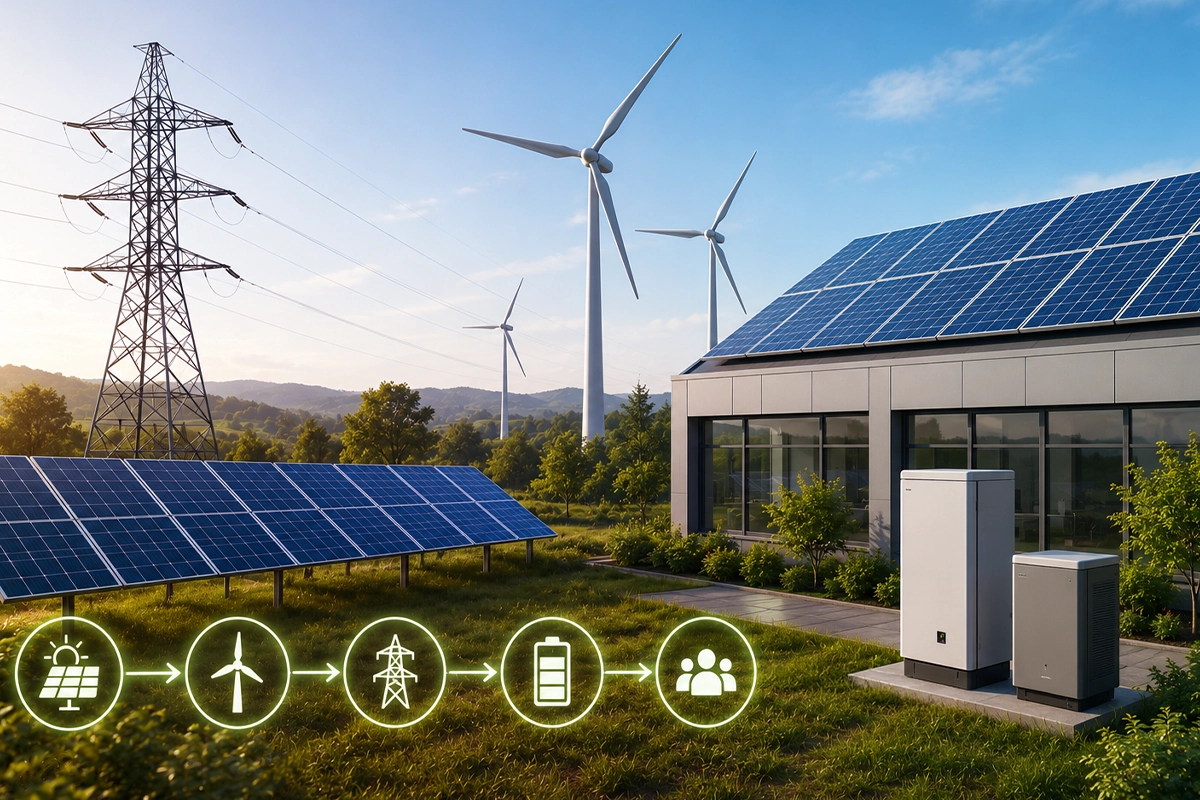
Unlicensed electricity generation is a system that enables individuals or legal entities to generate electricity without establishing a company or obtaining an electricity generation license. This method offers advantages such as integrating surplus electricity into the national energy system and reducing transmission and distribution costs. Unlicensed electricity generation also makes a significant contribution to the national economy and the efficient use of energy resources. (ETKB, 2026)
What Is Unlicensed Electricity Generation?
Generating electricity without obtaining a generation license or establishing a generation facility within the applicable limits can be defined as unlicensed electricity generation. Under this system, electricity can be generated within certain capacity limits without obtaining a generation license from the Energy Market Regulatory Authority (EMRA). Capacity limits for unlicensed electricity generation are determined by EMRA.
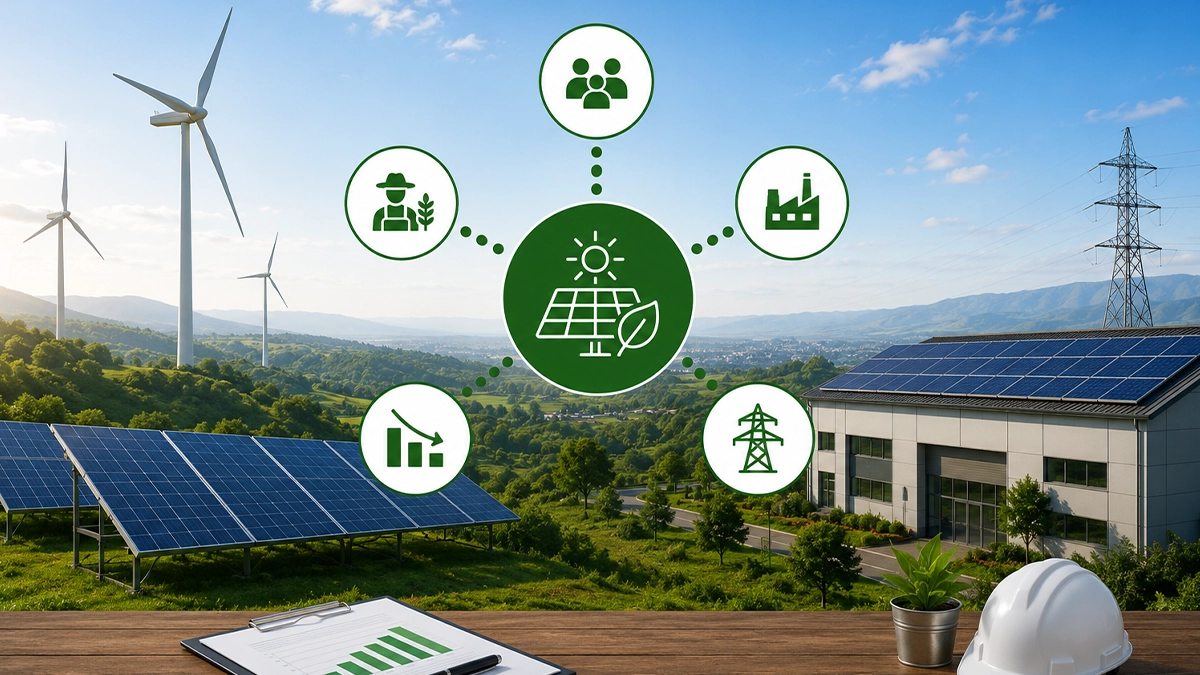
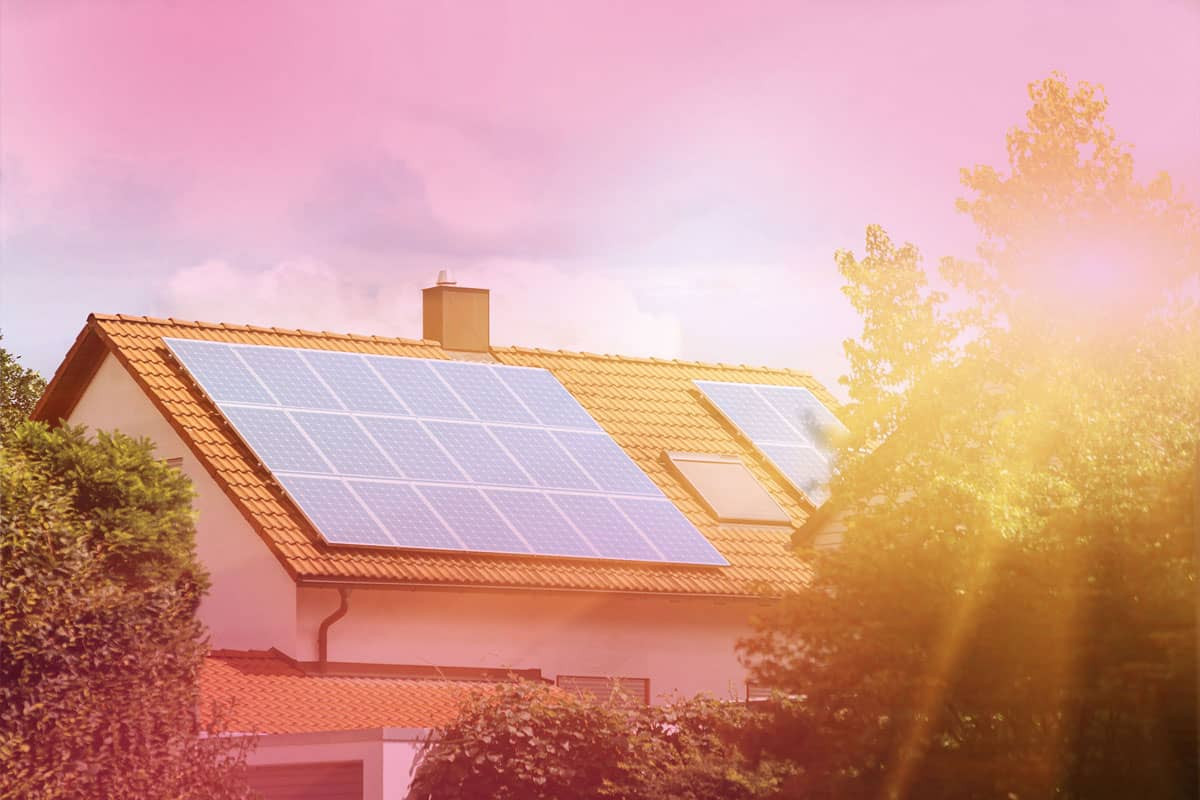
Unlicensed electricity generation is intended to help farmers engaged in agricultural irrigation, small and medium-sized enterprises, and residential consumers meet their own electricity needs. Through this model, electricity consumers such as farmers and small-scale businesses can use renewable energy sources and reduce their energy costs. Unlicensed electricity generation can also contribute to increasing the share of renewable energy in the energy mix and reducing transmission and distribution costs.
Who Can Generate Electricity Without a License?
Individuals or legal entities wishing to engage in unlicensed electricity generation must have an electricity subscription. Companies or individuals with an electricity subscription have at least one consumption facility. During the application process, individuals or legal entities wishing to generate electricity without a license are required to declare their electricity subscription or consumption facility.
Individuals or companies that do not have an existing consumption facility or a consumption facility that is planned to be established cannot engage in unlicensed electricity generation. The legislation also sets capacity limits for the entities and individuals eligible to generate electricity without a license. Cooperatives, agricultural irrigation users, organized industrial zones, municipalities, and public institutions may generate electricity without a license in accordance with the applicable legislation.
Unlicensed Electricity Generation Application Process and Required Steps
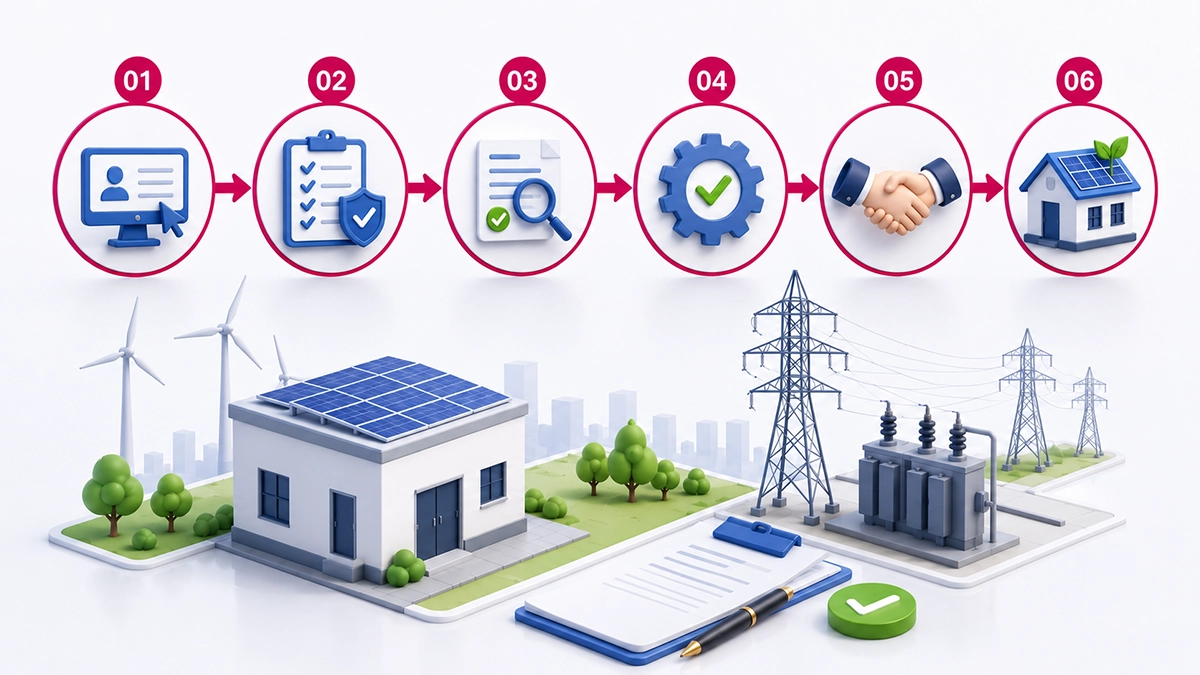
Electricity consumers who meet the relevant requirements must apply to the distribution company for unlicensed electricity generation. Different electricity distribution companies operate across Türkiye. You can initiate the application process by applying to the electricity distribution company responsible for your region.
The required documents for an unlicensed electricity generation application are as follows:
-
Identification information for individuals and the trade registry gazette for legal entities
-
Unlicensed electricity generation connection application form
-
Project details of the existing or planned generation facility
-
Information regarding the electricity subscription
-
Engineering reports related to the project
-
A receipt or payment document showing that the application fee has been paid into the distribution company's account
-
A document demonstrating total efficiency if electricity will be generated using a cogeneration system
Once the required documents have been prepared, the application must be submitted to the electricity distribution company within the first 20 days of each month. If the documents are complete, the application is evaluated. If any documents are missing, the applicant is given an additional 10-day period to complete them.
Once the application process is completed, the electricity distribution company announces the result on its website. If the application is approved, the applicable unlicensed electricity generation method is taken into consideration.
For electricity generation from wind or solar energy, technical evaluation reports must be obtained from the General Directorate of Renewable Energy (YEGM). If the YEGM report is approved, the applicant is given 180 days to obtain the required official permits. Once approval confirming the project's compliance with the relevant technical legislation has been obtained, a connection agreement is signed with the distribution company, and the generation facility can start operating within one month.
 What Is Settlement? How Is the Balance Between Generation and Consumption Achieved?
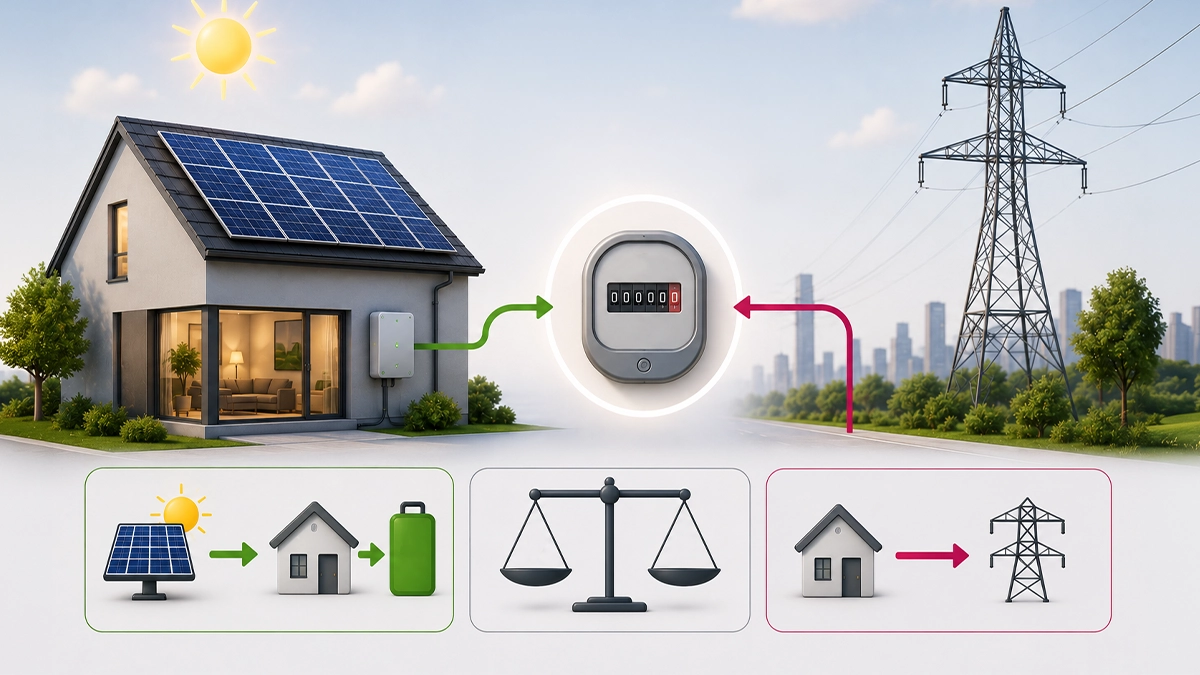
Settlement is the process of comparing electricity generation and consumption on an hourly basis and calculating net generation and consumption values in kWh accordingly.
Settlement determines electricity generation and consumption volumes and helps monitor the efficiency of the system. For example, when electricity is generated through solar energy and residential electricity consumption is relatively low, surplus electricity may occur. A bidirectional meter monitors generation and consumption and enables the net balance to be calculated.
Through the settlement process, the balance between electricity generation and consumption is monitored and the relevant billing processes are carried out. For example, a residential consumer generating electricity without a license may sell surplus electricity to the grid. This may be more common during the spring and summer months, when renewable energy generation is higher.
In winter, renewable energy generation may decrease, resulting in lower electricity production. If consumption exceeds generation at a residential facility, the electricity bill for the consumed energy is issued by the designated retail supply company. In addition, the distribution company may issue a system usage bill for the electricity supplied to the grid, in accordance with the applicable legislation.
Therefore, the settlement process enables the balance between generation and consumption to be monitored and the relevant billing procedures to be carried out.
 The Role of the Retail Supply Company in Unlicensed Electricity Generation
Different responsibilities are assigned to distribution companies and designated retail supply companies in unlicensed electricity generation.
Individuals or legal entities wishing to generate electricity without a license submit their applications through the relevant distribution company. Designated retail supply companies, on the other hand, play a role in the evaluation of surplus electricity generated under the unlicensed generation framework, as well as in payment and billing processes.
2026 Regulatory Changes in Unlicensed Electricity Generation
Several changes were introduced to the regulation on unlicensed electricity generation, updated as of January 27, 2026.
Under the new regulation, Organized Industrial Zones and industrial investors are not eligible to engage in unlicensed electricity generation. In addition, application processes for unlicensed electricity generation are to be submitted and monitored through an online system.
The areas that can be used for solar power plants (SPPs) for unlicensed electricity generation have also been expanded. In addition, distance restrictions have been introduced for projects based on the electrical capacity of the generation facility. (AA, 2026)
Aydem Perakende Unlicensed Electricity Generation Services
Aydem Perakende is always by your side with its unlicensed electricity generation services!
As part of its sustainable energy policies, Aydem Perakende purchases surplus electricity generated by unlicensed producers and contributes to integrating this energy into the grid. By purchasing and storing surplus electricity and making it available for future use, Aydem Perakende plays a role in supporting the sustainable use of energy resources.
In addition, through the settlement process, Aydem Perakende provides electricity consumers with competitive electricity services, contributing to a reliable and sustainable energy supply.
You can apply to Aydem Perakende for unlicensed electricity generation services. With Aydem Perakende, you can receive support throughout the technical follow-up and application processes and bring your generation facility into operation.
Frequently Asked Questions About Unlicensed Electricity Generation
What happens to an unlicensed solar power plant after 10 years?
Once the fixed purchase guarantee for unlicensed solar power plants expires, surplus electricity is sold on the free market.
What is the capacity limit for unlicensed electricity generation?
The capacity limit for unlicensed electricity generation is 5,000 kW.
What does unlicensed renewable energy mean?
Unlicensed renewable energy refers to electricity generated from sources such as solar, wind, hydroelectric, and geothermal energy by producers permitted to do so under the applicable legislation.




Leave a Comment